

Research Highlight
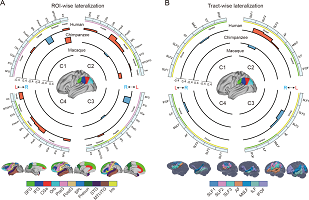
Connectional asymmetry of the inferior parietal lobule shapes hemispheric specialization in humans, chimpanzees,and rhesus macaques" target="_blank">Connectional asymmetry of the inferior parietal lobul...
The inferior parietal lobule (IPL) is one of the most expanded cortical regions in humans relative to other primates. It is also among the most structurally and functionally symmetric regions in the human cerebral cortex. Whether the structural and conn...
READ MORE...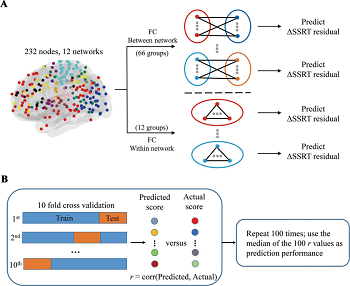
Functional Connectivity Predicts Individual Development of Inhibitory Control during Adolescence" target="_blank">Functional Connectivity Predicts Individual Developme...
Derailment of inhibitory control (IC) underlies numerous psychiatric and behavioral disorders, many of which emerge during adolescence. Identifying reliable predictive biomarkers that place the adolescents at elevated risk for future IC deficits can hel...
READ MORE...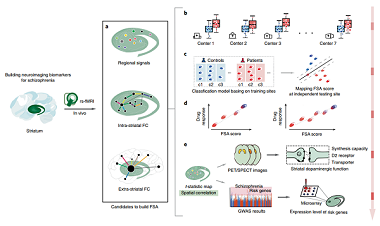
A neuroimaging biomarker for striatal dysfunction in schizophrenia" target="_blank">A neuroimaging biomarker for striatal dysfunction in ...
Mounting evidence suggests that function and connectivity of the striatum is disrupted in schizophrenia. We have developed a new hypothesis-driven neuroimaging biomarker for schizophrenia identification, prognosis and subtyping based on functional stria...
READ MORE...
Toolkit

Brainnetome Toolkit
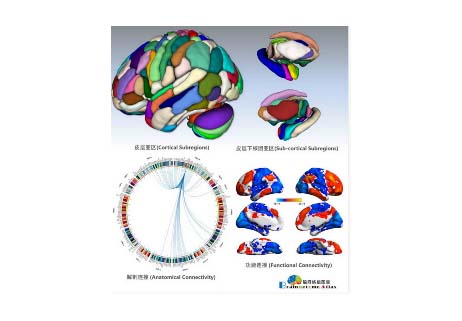
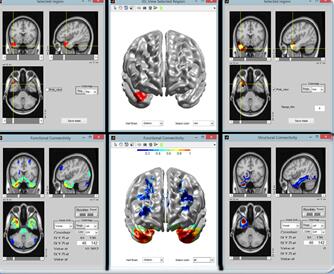
Brainnetome fMRI Toolkit 1.0 DiffusionKit: A light one-stop solution to Diffusion MR imaging data analysis DTI Tracking System Version 1.0 Brainnetome Atlas ...